The Future of Florida’s Wilderness: Rewilding and Restoration Part 1/6

A Comprehensive Vision and Strategic Outline for Ecological Renewal 

Let’s get serious about the Florida environment. This first posting outlines the three major issues regarding the future of Florida, especially Southwest FL.

The title image is a view of Estero Park Preserve. I added the sign graphic.

  • Scenarios for the future
  • Risk/benefits of rewilding
  • Consequences of species intra- and interdependence

For centuries Florida has been famed for its vibrant and diverse wilderness. It is a living repository of species drawn from the Caribbean, the Gulf, and subtropical America. Yet the past two hundred years have seen this unique ecosystem ravaged. People introduced non-native species, relentlessly homesteaded, and transformed the landscape for agricultural and urban development. The result is a wilderness in crisis. It is fragmented, altered, and teeming with exotic species that out compete or hybridize with the native flora and fauna. This document series outlines a strategic plan for the future of Florida’s wilderness. It is an examination of possible scenarios. It presents the risk/benefit calculus of rewilding. It supports species interdependence. It has a step-by-step outline for ecosystem restoration.

Definition: Rewilding is comprehensive, often large-scale, conservation effort focused on restoring sustainable biodiversity and ecosystem health. (institute of Rewilding)

A landscape in Southwest Florida showing dense vegetation, including shrubs and dry grass, representing the ecological challenges faced in the region.
This is one example of tens of thousands of citrus groves abandoned and overrun by invasive species.

A landscape view of Florida's wilderness featuring tall grass and scattered trees, highlighting the need for ecological renewal.
Babcock ranch preserve undeveloped wet prairie
A lush, green forest scene in Southwest Florida featuring a variety of trees and underbrush, showcasing the region's rich biodiversity in its natural state.
Babcock ranch preserve undeveloped upland wood

Major Scenarios for the Future of Florida’s Wilderness

Florida stands at a crossroad, with three major possible scenarios for the trajectory of its wilderness:

  • 1. Continuance as a Species Repository: For millennia, Florida has served primarily as a bank of species. Rather than an origin point for evolutionary novelties it has been a major exporter of species elsewhere. Rewilding under this scenario would focus on maintaining and nurturing native species. It preserves the region’s role as a living archive of biodiversity.
  • 2. Generator of New Species: The widespread introduction of similar but non-native species—both intentionally has created a dynamic environment. Hybridization and adaptation of ornamental and agricultural plantings will unintentionally transform Florida into a generator of new species. Unpredictable and unintentional ecological outcomes will result.
  • 3. Degraded Ecosystem: If rewilding efforts fail or are mismanaged, Florida will become an ecological cautionary tale. With native species in decline invasive species will become rampant. Ecosystem services like water purification, habitat provision, and storm protection will severely decline.

Risk / Benefit Considerations in Rewilding

The imperative to restore Florida’s wilderness must be balanced by a careful analysis of risks and benefits. Rewilding, while promising, is not without peril.

  • Genetic Integrity: Simply replacing lost native species with physically similar, but non-identical genotypes can backfire. A non-native genotype may outcompete local species or fail to provide for dependent mutualists, causing cascading ecological harms. Cloning or propagating exact native genotypes minimizes this risk while preserving ecological relationships honed over millennia.
  • Ecological Compatibility: The introduction of new or “replacement” species may disrupt established mutualisms. They may also create new competitive dynamics while further destabilizing the ecosystem.
  • Proof of Concept: Any rewilding project must proceed through careful. It demands experimentation, trial phases, and rigorous review of existing literature. These will all be needed to maximize chances of success and minimize unintended consequences.

Intra- and Inter-Dependence of Species

Ecosystems are intricate webs with species depending on one another for food, shelter, pollination, seed dispersal, and countless other functions.

  • Physical and Genetic Identification: Restoration begins with precise identification of native species, both morphologically and genetically. This enables accurate matching of replacement stock and helps avoid mismatches that could undermine restoration.
  • Codependent Species: Many native species are mutually dependent. For example the relationship between native bees.; wildflowers or wading birds and wetlands. Successful rewilding requires restoration of these relationships, not just individual species.
  • Environmental Conditions: Beyond the species themselves, restoration must account for the specific environmental factors. Soil chemistry, water availability, fire regimes, and more allow these relationships to thrive.

These are the topics of the postings to follow

  • Review of State Key Initiatives
  • Structured outline for rewilding
  • Maximizing existing objectives
  • Marketing the concept for large scale rewilding of Florida
  • Call to action

SUMMARY

This is not just about legacy. This is your own quality of life; your own property value; your own cost of living. What are you thinking about when you don’t support initiatives, don’t press your representatives and spread invasive species? There are only three choices. 1. Fix it; 2. live with it as is; 3. abandon it and live with the consequences.

Let’s know your thoughts. Leave a reply jn the comment box below or start a thread in our discussion board.

If you wish to receive notifications of new postings enter your email and click on subscribe.

#rewilding #restoration #environment #risk/benefit #

Exploring More of Africa: A Photographer’s Dream Adventure

Everglades Ark is traveling again. This year the itinerary includes two weeks in Africa in the middle of our trip to Europe. Africa is a remarkable generator of spectacular species and a reservoir of diverse wildlife. This will be our second visit to the area below the horn of Africa. Kenya and Tanzania both offer excellent wildlife viewing. Three years ago we were in central Kenya to see its high concentration of wildlife, particularly in the Masai Mara. This time we will spend another 7 days in Kenya followed by 7 days in Tanzania. These regions are known for their vastness and remote wilderness areas.

The title picture was created from a photo made during the last trip to the Masai Mara. It is part of a community presentation made here in Bonita Springs FL.


In this area I expect to see a somewhat different variety of bird species and different behaviors. I am really looking forward to this safari and hope to bring back great stories and images. Our 2022 postings from the previous trip to Africa were extremely well received. The new posts of this experience should be ready in the fall. I will do my best to assure that they too are appreciated.

We will travel with National Geographic, G Adventures. Our group of 6 in the vehicle should make a reasonably comfortable seating arrangement. Our winter weather will be relatively cool and mild. Some of the location highlights will include the Great Migration, Ngorongoro crater and the Great Rift Valley.

The safari photo gear will be much the same except for the new Canon R5 body. This camera body will allow for more videography, better image stability, faster image recording and higher resolution. The array of memory cards will fill the demands of the two cameras. I will not use a blue tooth hard drive for image back-up. Every evening I plan to upload the images from the cards of the day directly to the iCloud . To facilitate this I will use the FTP on my iPad. For those interested in photography, here is a NatGeo link to aid in basic photographic experience when you photo/travel.

Map of Africa highlighting Kenya and Tanzania, illustrating the geographical locations important for wildlife viewing and safari itineraries.
The highlighted area in the Africa map shows the approximate travel area.

The itinerary includes:

  • Nairobi, Nakuru lake and park
  • Naiviasha Lake
  • Masai Mara plane
  • Olduvai Gorge and anthropology museum
  • Serengeti National Park
  • Ngorongoro national park

For those interested in wildlife photography and stories of Africa follow us for the posts in September!

If you wish to receive notices of future postings please fill in your email and click on subscribe

Bauhinia and Hibiscus: A Comparison of Floral Reproduction

This posting is a response to the numerous hits made on a previous posting featuring the Non invasive Bauhinia tree. It seems that the interest lies in its reproductive nature. The purpose of this post is to improve the understanding of plant biology through comparative anatomy.

The title image shows the Bauhinia (blakeana ) on the left and the Florida native scarlet rosemallow (Hibiscus coccineus) on the right. I photographed the Bauhinia in the roadway median of our neighborhood. I photographed and display the scarlet rosemallow because it is such a stunning finding in the fresh water marshes of the Corkscrew Nature Preserve in SW Florida. It also shows that it is not a cultivar but it can self propagate without human intervention. Both plants are eye candy that must be appreciated in their out-of-door surroundings. In our community we have domesticated tropical hibiscus which are close relatives to the wild scarlet hibiscus

These two blossoming plants attract loads of attention. The Hong Kong orchid (Bauhinia blakeana ) and the cultivated tropical Hibiscus (Malvaceae) produce wonderful, flamboyant, visually attractive flowers. They are planted throughout our community. Additionally, these blooms have great staying power lasting for many months. Their flowering period stretches anywhere from eight to ten months, from September to June. They have, however, remarkably different reproductive powers. To reveal the secret of these two plants this posting compares the gross and micro anatomy of their two flowers.

A detailed diagram of a Bauhinia flower labeled with its anatomical parts, including bud, petal, sepal, stamen, pistil, ovary, style, and stigma, showcasing the flower's structure.
Bauhinia blossom with some pettals removed
Diagram labeling parts of a hibiscus flower including the stamen, ovary, style, stigma, petal, and sepal, accompanied by lush green leaves and a bud.
Hibiscus blossom with no petals removed

Gross and micro dissection reveals the major difference in the reproductive capacity of the these two perfect flowers. Dissection and microscopic examination of the ovaries shows that the hibiscus has ovaries while the bauhinia has no trace of ovules. It is unable to sexually reproduce.

Diagram illustrating the anatomy of a Bauhinia flower, highlighting its various parts including petal, sepal, stamen, anther, filament, ovary, style, stigma, and pistil. The text indicates that the flower is perfect but sterile, with no ovules or seeds.
This is a full dissection of the Bauhinia × blakeana blossom. Look at the top left images. You can see that under microscopic examination there are no ovaries within the ovary. This plant is infertile.

Anatomy diagram of a hibiscus flower, illustrating the components like the ovary, stigma, stamen, and petals, labeled with descriptions to explain its reproductive functions.
This is a full dissection of the Hibiscus blossom. Look at the top left images. You can see that under microscopic examination there are ovules within the ovary. This plant can produce seeds. It is fertile.

The five-petaled blossoms of Bauhinia plants are known as “perfect flowers,” because each individual bloom contains both female and male parts. Some varieties of the Bauhinia flower, such as the widely cultivated Hong Kong Orchid Tree (Bauhinia × blakeana), are known to be sterile. Bauhinia are monoecious, which means “single house”. This designation describes the dual sexual capacity in a single flower. The flowers can self pollinate or fertilize with pollen from another plant. The flowers attract pollinators such as hummingbirds, bees, butterflies, and more. Bauhinia × blakeana‘s sterility is due to its hybridization. Bauhinia blakeana is the result of conjugation of the very similar species Bauhinia purpurea ( Purple Camel’s Foot) and Bauhinia variegata ( Camel’s Foot Tree). Both of these are exotic species according to the Hong Kong Herbarium. The parent plants have partially overlapping flowering periods and geographical habitats, and the same range of bee and butterfly species as pollinators. Interbreeding Bauhinia purpurea and Bauhinia variegata is probable. The resulting triploidy of this plant has probably rendered this varietal sterile. The plants you see today are clones of the same flowers seen by Hongkongers more than a century ago. They are propagated asexually through cultivation of stem cuttings.

The Hibiscus is also considered a perfect flower which actually produces viable seeds. The hibiscus is a genus of flowering plants known for their large, showy flowers, belonging to the mallow family (Malvaceae). Fertilization of these plants is complex. Pollination may fail because of these five prerogatives.

  • Self-Pollination: Some hibiscus varieties are self-pollinating. This can make it difficult to cross-pollinate them.
  • Timing: Hibiscus flowers are only receptive to pollen for a short period, usually just a few hours.
  • Pollen Viability: Hibiscus pollen can lose its viability quickly.
  • Stigma Receptivity: The stigma needs to be receptive to pollen. The stigma, gateway to the ovarian, might not be receptive at the same time the pollen is viable.
  • Germination: Seeds take 12 to 24 months to bloom.

The hundreds of species of hibiscus are generated through human intervention of the pollination. Tropical hibiscus are propagated sexually from seeds or asexually from stem cuttings or plant division. In carefully controlled environments and with delicate, patient effort botinists have hybridized the tropical hibiscus to make hundreds of beautiful new varieties. The new plant varieties are propagated from cuttings or division to produced plants which are clones of their parents.

Illustration explaining hormonal fertility signals in plants during pollination, detailing four key hormones involved in the process.
In addition to timing, these four hormonal obstacles must be passed in the carpel for signaling a specific selection of pollen appropriate for germination of ovules in these species.

DISCUSSION of FINDINGS:

This is not a thorough scientific data collection. Three samples of blossoms from each of two trees were collected for a total sample size of six. All of the samples were made on the same day in April, 2020. There were no major local meteorological events for the year preceding this observation. There were no observations of the viability of the observed polled during this observation. Further study should be done to give this a high level of confidence of the conclusions.

SUMMARY:

In Florida the Bauhinia × blakeana and Hibiscus plants thrive and are found in almost all of the cultivated communities and household gardens. They are well tolerated but stable non-native species. Because of their reproductive limitations they are not invasive. We can feast our eyes on this banquet of form and color without fear of damaging the environment.

REFERENCE LINKS:

FEEDBACK:

Please use the box below for your comments.

If you wish to start a dialogue on this subject please use the Discussion Board.

For notification of new postings please enter your email address and click on the Subscribe box below

#Bauhinia #Hibiscus #reproduction #flowers #invasives #anatomy #seeds #sterile #

Exploring the Elements of the Classical Japanese Garden. Part 4

The purpose of the classical Japanese garden is to provide a place for meditation and veneration. A Shinto shrine is the historically oldest and perhaps archetypical garden. Its form may date back to 500 BCE. It is noted for its rusticity and blending into the local surroundings. It is a place for contemplation and veneration of the native elements and important concepts and significant ancestral figures. These spiritual elements called “Kami” were recognized as important and worthy of respect or veneration. These were not deities for worship but instead were intellectual constructs supporting the Japanese “rules of civility”

This is part 4/5 in a series of postings on my experiences and observations of gardens of Japan. For a complete understanding please visit the other postings. (1) (2) (3)

There are typically 6 elements in the classical Japanese garden. These include a Torii Gate, a bridge, one or more lanterns, rocks, a pond, and trees.

Myojin Torii gate with upward curve

The Torii is a gateway which is placed at the entrance of the shrine. It signifies the transition between the ordinary and the spiritual worlds. Often it is painted carmine red and made of wood.  I frequently saw two shapes.  Myojin torii are curved upwards at their ends and have a crossbeam that extends past the posts. Shinmei torii have a straight top and a crossbeam that ends at each post. There may be associated symbolic decorative rope or string accents called Shimenawa which along with trees further signify the boundaries of the shrine space.

If you come to a choice, make it.

The bridge symbolizes transition from one state of existence or world to another; from mundane to spiritual, from our sensual mortal reality to perfect immortal paradise. They maybe made of stone or wood and maybe either elaborate constructions or simply a single flat stone. Stepping on a bridge gives us a choice – either we cross it and take time on the bridge, or we turn back. In some gardens, bridges led to a central island called nakajima, which symbolized the Pure Land of Amida Buddha.

Stone lantern with place for a candle.

Stone lanterns originate in Buddhist traditions where the light suggests the enlightenment of Buddha’s teachings through the darkness of ignorance. From a Shinto perspective stone lanterns or yorishiro are made to attract, guide and house kami in the created sacred space. Each item in the construct has special significance. They are regarded as peaceful and tranquil.

Garden rocks selected and arranged for contemplation while sitting.

Rocks are ever so carefully selected, placed and arranged into the shinto garden. They are the residences of the kami. They symbolize the mountains or islands or even powerful figures in the Japanese pantheon. They are especially important in the Zen Buddhist garden. In the Zen garden, rocks stand for Mt Horai, the “Blessed Isles of the Immortals”. 

Expansive water feature with bridge in background
Sand representing water in Zen garden

Water in the shinto garden represents purity or purification. Without water in the garden the significance of bridges, rocks and islands would be lost. Ponds and especially flowing water are a key element to all but the Zen gardens. Instead of water in the Zen garden, gravel and stones are carefully placed and raked into patterns resembling rippling water.

Large ancient trees in palace garden
Group of carefully trimmed trees in private garden. Note the variations in color and texture.

Trees are included within and around the periphery of the garden. They are called shinboku, and may be draped with shimenawa rope. The shinto shrine trees are specifically designated as sacred because of their age, size, or connection to a particular kami. Large, old, single or groups of trees are attributed with concepts like immortality or endurance, beauty or mythology. They are the connection between the natural world and the divine.

Perhaps the ideal of the shinto garden, this place is in the wilderness at the base of Mt. Fujii. The Torii arches over the simple stone path. The bridge provides a decisional option to access another route. The native trees surround not only this pleasant lowland but also the entire Mt. Fuji national park. The stones are truely mountainous.

SUMMARY:

The five classical garden types include shinto shrines, buddhist gardens, zen-buddhist gardens, imperial palace grounds, and castle grounds. Images of these can be seen on our previous blog.

Shinto shrines are intended for veneration of kami.

Buddhist monastery: I think of these enclaves as gardens for the mind. They are surrounded garden areas that are mostly devoid of effigies or suggestions of kami. They are intended to provide tranquil respite for peace and tranquility. Buddhism derives from India and became very powerful in Japan. During the Shogunate civil wars the Buddhists fought for independence from the warring parties. During the Edo period Buddhism was considered a threat to the Empire. Its foreign origin and power conflicted with the concept of three principals of Japan; duty to the Emperor, to the Nation of Japan and to the Japanese ancestors. The State no longer supported the monasteries. Attendance dwindled and contributions were insufficient to maintain these mammoth wooden buildings.

Zen/Buddhist gardens: Zen Buddhism arose during the civil wars. The Shoguns combined various portions of the Shinto faith and positions of Buddhism to facilitate their own code of ethics. The esthetic simplicity of the Buddha combined with a strict discipline of the Samurai. This is referred to as the “Shogun way”. Samurai and Daimu modeled their private retreats in the form of shinto shrines.

Imperial palace grounds. The centers of government changed during the more than one thousand years of imperial rule. Several cities were host to the Emperor and these cities hold the remains of the various palaces.

Castle grounds: The castle itself is a military fortification. It was not a residence, instead it was a place for defense. It would be packed with munitions and armaments. These materials were used for offense or as a depot for invasion forces. Surrounding the castle the army would be encamped and the outer rings were the support and suppliers for the troops. The grounds may have extended many square kilometers around the castle. The gardens encircling the castle were for walking, meeting and socializing.

CONCLUSION:

It appears to me that both shinto and buddhism seek enlightenment. They have opposite approaches to achieve this goal. Buddhism puts faith in self inspection, shinto puts faith in kami. Both approaches have value.

REFERENCES:

Japanese Gardens Revealed and Explained, Chard R., Zenibo Marketing, 2013

Japanese Stone Gardens, Mansfield S., Tuttle Publishing, 2009

REFERENCE LINKS:

Stone lanterns , Water in Japanese gardens , Bridges in Japanese gardens

If you wish to engage in a dialogue on this subject start a topic on our discussion board.

If you have comments please use the box below.

If you wish to receive notification of new postings please enter your email in the box and click on subscribe.

#Japanese garden #kami #shinto #buddhist #lanterns #bridges #trees #samurai #shogun #zen

Cover Photo Published !

Marie Gorman, editor-in-chief and publisher of the Bay Watch News, accepted a submission for publication as a feature article written about Stunning Japanese Gardens for volume 7 number 5 April 2025. I previously posted much about this on this site and gave a Power Point Presentation to the Bonita Bay Community Association.

Much to my surprise she accepted two additional photos from my submission for the cover contest finalists. An even greater surprise for me was to see one of them on the cover of this recent issue. The feature image of this blog is a copy of that printed cover page.

Tommye Flemming, a senior contributing editor for the Bay Watch News also asked to interview me for a bio feature of residents in the community. We had a fun conversational experiencing. She was terribly flattering in her biographic sketch and also submitted additional photos from our travel experiences. This too was published in the same issue !

After the Bay Watch News was published, Marie said that she had an overwhelming positive response. I’m so pleased that these images and stories have brought a little happiness to so many people. See the full issue and enjoy the other submissions at this URL. Bay Watch News

Thanks Marie ! You made my day too.

If you wish to receive notification of future postings please enter your email and click on subscribe.

Feel free to use the coments block or go to the discussion board on this site.

#publication #Bay Watch News #biography # photography

Highlights from Our Spring Lecture Series

The spring series of three lectures was completed with good attendance. Thanks to all who attended and provided excellent feedback for future improvements. Discussions varied from thoughts of amazement in diversity of the ecosystems and colorful beauty of the plants and insects. For those who attended and those who expressed regrets, thanks for your consideration. For those unable to attend, see you next time! We had 23 attendees with sufficient room for 30. Watch for notification for next season in the Bonita Bay Community seasonal program bulletin.

On our blog site we will continue with our discussion of Japanese gardens compared to a Florida garden made in the Japanese traditional shinto style.

Watch for the feature article on Japanese Gardens in the Bay Watch News.

If you wish to engage in further discussions, please feel free to use the discussion board.

If you wish to make a comment, post it below

If you wish to be notified of future publications please enter your email and click on Subscribe.

This Spring, Explore SW Florida’s Unique Environment

You are invited to attend a series of three presentations this Spring, 2025. It is available only to residents of the Bonita Bay Community Association and their guests.The purpose of these presentations is to give information and encourage you to go.

This is a chance to explore the unique diversity of the SW Florida environment. Topics include our distinct surroundings, plants of special beauty, and our environment compared with other similar but globally distant areas. This presentation is also an opportunity to discuss these varied topics with John Knapp, author of Everglades Ark.

Topics and dates

Location

Community Activities Center: 3451 Bonita Bay Blvd., Suite #100.. Water and coffee included in attendance. No registration needed. Also see the schedule in the Bonita Bay publication Around the Bay

At the door there will be a $5.00 BBCA registration fee and, to help fund the Everglades Ark education effort, a $10.00 donation.

Questions ? Please call the Bonita Bay Community Association, Community activities, 239-390-5550.

Thanks for your interest! See you there. If you wish to be notified of future posts please enter your email and click on subscribe

#lecture #Florida #ecosystems #flowers #comparison

Japanese Garden Types – Part 3 – Woodlands

The native woodlands are foundational for all other Japanese gardens. They have been revered for thousands of years as part of Shinto. They are geologically, ecologically, historically, culturally and economically important. The previous posts in this series have reviewed the cultural insights and history of the Japanese gardens. This is part three of a six part series on Japanese gardens. The purpose of this presentation is to focus on the value and management of the forests. Can these be applied to care of woodlands in Florida and the East Coast of the USA?

There are three garden types in Japan that include woodlands, food production gardens, and the classic traditional gardens. Here is a brief overview of the forests in the wilderness of Japan.

The feature image is typical of the countryside viewed from the cable car on the way to Mt. Fuji. It is mountainous and covered with a forest of predominantly gymnosperm trees.

The history of Japan has significantly altered the natural woodlands of Honshu. The wilderness is not as natural as expected. 75% of Japan is densely forested. Forty percent’ was planted by people. There is a deep and protracted use of the woodlands for lumbering. The giant shrines with statues of the Buddha are made of cedar and cypress harvested from the wilderness. Historically all of the major buildings and residences were built from local wood. Until the twentieth century no other materials were used.

No understory at altitude at 1/2 (4500 ft) of Mt Fuji
Shinto shrine in base of Mt Fuji park
Cyprus and Cedar tree forest

Deforestation Events

The forests were depleted of wood from three major events. There were two major event periods of construction which consumed whole mountains of wood. The first was during the castle shogun period the 1700’s. These included many square miles of defensive castles and associated residences for soldiers, civilians and commerce. Simultaneously, the residences and temples of the Buddhists were constructed. The second period was during the Edo and the Mejie eras. Edo construction focused on the new capital now called Tokyo. The third and period was the combination of the 1850’s through 1950. The forests were severely depleted as never before. This third period included deforestation for construction and devastation as a result of war.

Deforestation has an impact on the geology and ecology. Without the tree roots to hold the soil, earthquakes, floods, land slides with mud and rocks ensued. To restrain the soil trees were aggressively replanted with cedar and cypress with very little diversity. In 1954 The public was incentivized to plant even more. That incentive indirectly increased further deforestation of diverse native tree angiosperm hardwood species like the maple.

This had a further modern impact of construction lumber. Its value depends on good management of the trees. To grow straight, tall and knot free, the limbs need to be trimmed. To allow sufficient light and access to the trees the forest needs thinning. To be accessible to harvest, the slopes of the hills must be within the capacity of the power equipment. This is demanding work requiring a skilled and able labor force. The population of Japan is aging. The wage rate compared to other countries is relatively high There are insufficient foresters to develop an industrial timber crop. As a result of this, the trees are of questionable value. The monocultural nature of the crop also makes the forest susceptible to pests and diseases. The understory is sparse and not diverse. The wildlife is severely limited. To compete with imported lumber the method of management needs to be rethought.

1945. Tokyo reduced to ash
2024. Tokyo completely rebuilt in concrete

Spiritual Value of Old Trees as Seen in Art

Shinto regard of trees and forests is foundational. Recall that there has been a long veneration of trees which we described in the last posting. This value dates back thousands of years. They are assigned individual and group value as Kami spirits.

In Japan, old trees are venerated for their resilience, strength and power. Allegorically, they offer a bridge to the past. Both of these concepts are essential to the concept of Shinto. Blossoming trees are also highly regarded. Most notably are the spring blooms of the weeping cherry and plum trees. Autumnal trees with seasonal chromatic change in the leaves offer even more inspiration for artists.

Kano Masanobu, ~1550, This exquisite screen, ink on foiled paper is in the Tokyo National Museum
Suzuki Shōnen  1849-1918

Buildings for the Community Revering Forested Trees

The size of the remaining wooden buildings speak volumes about the mass of lumber needed for the temples, castles and residences of ancient Japan. The Great Buddha Hall of Tōdai-ji in Nara Japan is the world’s largest wooden building. It houses the largest cast bronze seated Buddha statue. It is only one of the few remaining giant Buddha halls. These images of notable wood structures do not truly capture their great size. Maintenance of these halls, palaces and castles is constant, expensive, and requires expert craftsmen and are paid for by donations. The remaining buildings are a small fraction of all of the original buildings that once existed.

Great Buddha Hall of Tōdai-ji in Nara. This reconstruction is only two thirds of the original building.
Senso-JI temple, Tokyo
Jansen-Ji temple, Kyoto, Japan
Senso-JI temple Pagoda, Tokyo
Matsumoto castle, Japan
Todai-ji Namdaimon, Nara, Japan
Nijo Castle, Kyoto, Japan

Private Wooden Buildings

The Gion district in Kyoto and the Yasaka-no To Pagoda has a high concentration of traditional wooden machiya merchant houses. This area was established 1300 years ago. Many of these wooden buildings date back to the Meiji period more than 150 years ago. Most of the original buildings were destroyed in the fire of 1865. In Kyoto those which were rebuilt were not destroyed in WW II. There were wooden structures like these in Tokyo. They were the norm and as you would expect, during WW II most of them burned. Only a few pockets of these remain. They were replaced with modern buildings made of steel reinforced concrete and glass.

Tokyo. Wood is protected from deterioration caused by dog urination. The curved barriers can be seen on the face of the structure
Kyoto. No barriers results in discoloration and acidic damage to the structure.

WW II post war reconstruction period and current state of woodlands

Trees by the numbers

Look at this hillside. At the lower level, below the green line, you can see the density of the tree trunks. There is no place for understory growth. This suggests over planting without selective tree pruning or thinning as is necessary for a healthy tree growth pattern.

The foliage distribution strongly overlaps the mountainous areas which we described in the first of this series on Japan. To better appreciate the distribution of trees in Japan, the following illustrations will show the varieties and locations in the island group. This underscores the limited accessibility to manage the growth or to commercially harvest the wood.

The distribution of trees is approximately 40% deciduous and 60% coniferous and evergreen.
This graphic is from “Forest and Forestry of Japan Textbook to Learn about Forests” . The Japan Forestry Association, “Forest zone of Japan”. Note our visited area is characterized as warmer temperature vegetation.

For more information on plants seen on this trip, please visit the Everglades Ark Epicollect database. to see more native trees and plants in seen on this visit. See observations numbers 422 to 434.

Reforestation:

There is a strong response to the tree management in today’s Japan. The forests of Japan rank third in the world for percentage of forest covered land. Modern management techniques including diversification of species are being applied and the use of local lumber is increasing.

Japan is now making a concerted effort to reforest and rewild their woodlands. Although this is a public works project and is government sponsored/funded it depends on community part time and volunteer workforce. It includes incremental reforestation using a variant of the Montreal process. This successful process has been widely applied in many locations around the world. The dedication and discipline of the people of Japan have made this do-it-yourself (DIY) project an example that could be followed here in Florida.

CONCLUSION

Forests continue to play an important part in Japan both spiritually and economically. Hopefully we can learn that over deforestation and questionable management can result in unintended consequences. The reversal of the untoward results can be costly, labor intensive and time consuming.

Next

In our next posting we will explore the productive gardens as farms in Japan. Later we will see the classic formal gardens

HERE ARE SUGGESTED TOPICS FOR the discussion board

Where does the art of bonsai fit into Japanese culture?

How would you manage the woodlands of Japan?

What can we learn from the Japanese woodland management experiences?

How can we use the Florida Master Naturalist program to encourage woodlands management in our own neighborhoods?

If you have visited or live in Japan please add to this description.

Is Japan competitive with the world in lumber production?

Reference texts:

•Japan, DK Eyewitness, Penguin House, Dorling Kindersley, 2000

•The Chrysanthemum and the Sword, Benedict R., Houghton Mifflin, 1946, 1957, 1967. 2005

•Judgement at Tokyo, Bass G.J., Alfred Knoff, 2023

•Zen Gardens, Masuno S., Tuttle Publishing, 2012

•Japanese Gardens Revealed and Explained, Chard R., Zenibo Marketing, 2013

•Japanese Stone Gardens, Mansfield S., Tuttle Publishing, 2009

Please post your comments in the space provided below.

If you wish to be notified of future postings please enter your email address and click on Subscribe.

#gardens #Japan #Shinto #samurai #Buddhism #Shogun # culture #imperialism #history #philosophy #art #trees #

The Evolution of Japanese Gardens: Exploring Dramatic Cultural Influences – Part 2

The cultural changes of Japan are fascinating and profound. Journey with me and see how they have significantly influenced gardening on Honshu and all art in Japan. This posting is a generalized recapitulation of the history. It will help you follow the cultural forces as they change through time. Powerful characters in that history built these gardens and structures. We will look for the demonstration of these influences by interpreting the evolving style and content of their gardens.

The featured image is a shinto shrine. Be sure to see the earlier posting, Cultural Insights from Japan’s Stunning Garden Landscapes.

Types of gardens:

We will look at three types of gardens which were made and modified over the last thousand years. I have selected Japanese history to follow the gardens. All of the gardens were made with special intention. In Japan there are three identifiable types of gardens; wilderness, production and formal (classical). These will be individually discussed in the posts to follow.

Early Development:

Fig 1. Early development. Expansion of native culture.

Shinto:

Shinto shrine with Tori gate, walking path, natural surrounding, and effigies representing important elements

Shinto is an ancient veneration based faith. It is native to Japan. It may have originated ~300 BCE. It is not a true religion. It attributes veneration to spiritual Kami; avatars of people, objects and forces in natural settings. The Shinto shrine is simple and rustic. It has specific elements and design style emphasizing nature. This is the earliest referenced form of Japanese gardens. The natural elements and symbolic representations in design are in nearly all subsequent classical Japanese gardens.

Buddhism:

Buddhism is a philosophic, faith based life style. It originated in India and came to Japan ~400 AD. It emphasizes simplicity, restrained behavior, self awakening, and reincarnation using meditation. There are many forms of Buddhism. Zen Buddhism is a Samurai adaptation of one of the extant Buddhist sects. It is more severe in imaging and its gardens are characterized by the use of stones, gravel and sand. The arrangement is designed for stationary meditation not for walking. This form of faith acknowledges the concept of limitations. The gardens encourage transcendence of the limitations of the objects.

Entrance gate to Buddhist monastery / garden

IMPERIALISM:

Walking path in a large and complex Kyoto Imperial garden. It includes Shinto elements of water, bridge, trees and shrubs, lanterns and other Kami references.

The emperors of Japan have a long and troubled history. They date back to 1000 BC well before written history. Imperial power has risen and fallen at lease three times in recorded history. In the last period, Imperial power did not return until after the second visit of Commodore Matthew Perry. He was sent by the US president to force the trade. Japanese nationalists precipitated the overthrow of the Shogun and reestablish the power position of the Emperor.

Samurai: CODE

Samurai warriors had a moral code of ethics and behavior. Their training started in childhood. It focused not only in strength but also intelligence. When they were not fighting or training their combat skills they practiced self reflection, studied philosophy, literature, and the arts. They showed discipline, frugality, kindness, honesty,  personal duty & honor, athletics, military skills, military strategies and political savvy. Ultimately they were trained to be fearless in battle. They were rewarded with currency, land and promotion.

The samurai developed a complex hierarchal order. The shogun was the highest rank of military commander. The feudal land lords were called daimyo. The shogun and his samurai provided military protection to the emperor and the daimyo. Through aggressive civil warfare attrition, one Shogun eventually dominated. This resulted in the end of civil strife, a unified Japan and peace which lasted for 200 years. In total, samurai directed an inalienable influence for 600 years.

The White Castle built buy the samurai Shogun

Politics and civil war:

Two Samurai armies fighting for opposing Shogun who seek domination of territory and power. (Source Anonymous)

The four current and historic Japanese capital cities are on Honshu. Each has a palace with gardens built for an emperor. These palatial gardens were made for the royal entourage for pleasurable encounters. They were used for meetings, entertainment, and celebrations for those with imperial access. In private, the emperor entertained his friends and families, concubines and eunuchs and his other supporters. They were used for and socialization, fun, intrigues, scheming, and planning. They had outer buildings and walkways. There were surrounding walls and moats with defensive designs. A class of defensive warriors was encouraged to defend the high culture class. These men called samurai were dedicated and highly trained. They were better than the ancient Greek Spartans .

Mid development:

Fig. 2. Mid development. Philosophic and power structure development.

The Shoguns were highly successful leaders of the Samurai warrior class. Regional Shoguns built castles with associated buildings as well as gardens. These were strategically placed for conflict management and defense. Daimyo and Samurai also built traditional gardens because they had land and power to pay and support them. These private gardens were used as retreats for meditation and rest.

Late Development:

Fig 3. Late development. Japan followed a path from feudalism to world conflict and destruction.

During this period political pressure reduced support for some and increased support for other gardens. During the 1600-1850 (Eco) period Buddhism was controlled by the shogun. During the 1886 -1912 (Meiji) period the government forced a separation of Shinto from Buddhism. Buddhism was persecuted because it was considered a foreign influence. State money was no longer directed to the massive and expansive Buddhist monasteries and gardens. They deteriorated in structure and appearance. Shinto increased in importance and along with Confucian thoughts were strongly supported by the State. This accomplished four valued behaviors. It reduced the power of a passive Buddhist ideology. It reinforced commitment to Japanese nationalism. It forced discipline, militarism and ethnic superiority. This also supported naturalistic idealism and devotion to the Emperor, the State and ancestral heritage. The samurai were outlawed. The military continued the defensive and offensive duties and many of the ethics of the samurai. The leadership pursued fanatic militarism and ultra-nationalism. To capitalize on the gains of WW I and to compete with the western powers, in 1931 all resources of Japan were committed to expansion through “total war”.

Continuing Development:

Fig 3. Continuing development. Global interaction and Interdependence

The sequela of the bombing of Japan during World War II, particularly in cities like Tokyo, Hiroshima, and Nagasaki was devastation. The death toll was enormous. Among cultural artifacts, traditional Japanese gardens were too, heavily damaged or completely destroyed as a result of the conflict. There is insufficient data for a true count. Hundreds or perhaps thousands of national treasured gardens were lost.

Through military force, the USA substantially altered the Japanese culture early by gunboat and later by atomic bomb diplomacy. The first time was opened the borders to international trade and introduction of advanced technology. The second opportunity opened Japan to multilateral, international, equilateral negotiation and trade without warfare.

Click Namba Park . You Tube link

This leveling of the field has allowed the Japanese people to cooperate with other nations and peoples. They assimilated and develop new ideas without loosing their identity. They now share their culture with others. The Namba Park is an excellent example of post-modern architecture and garden blended into the urban center of Osaka.

Conclusion

Many factors influenced the Japanese gardens: The Shinto veneration set the basics of the Japanese garden. Once established, the Samurai character and Shinto/Buddhist beliefs pervaded through the culture. My interpretation of the gardens emotes a display of discipline, unwavering moral values, intelligence, honor, and duty. The people of Japan have demonstrated continued adaptablity. The gardens of tomorrow will reflect the constants and the changes.

Period, era and influence and characteristics summarizing the progress of Japanese gardens

Topics for your discussion on the discussion board

Have we answered the question posed in the previous posting? “Can some value in Japanese ethnographic field work be extracted from study of the iconography of Japanese gardens ?” How do you see the evolving relationship of Shinto, Buddhist and Samurai behavior? Please show and interpret examples of your local gardens that reflect the thinking, philosophies or values of your community.

If you have expert knowledge in Japanese gardens please share your thoughts or images in the discussion board. This will help us all learn more.

If you want to enter into a dialogue please use the discussion board and engage in group participation.

NEXT

In our next posting we will explore the three forms of gardens in Japan.

If you wish to express your ideas please use the comment box below.

If you wish to be notified of future postings please enter your email address and click on Subscribe.

Recommendations for film lovers:

Yojimbo by the award winning director Akira Kurosawa

Age of Samurai: Battle for Japan, A period docudrama currently on Netflix directed by Stephen Scott,

Last Samurai Standing a docudrama currently on Netflix staring Tom Cruise, directed by Michihito Fujii

The Last Samurai, A period docudrama on Netflix directed by Edward Zwick,

Reference texts:

•Japan, DK Eyewitness, Penguin House, Dorling Kindersley, 2000

•The Chrysanthemum and the Sword, Benedict R., Houghton Mifflin, 1946, 1957, 1967. 2005

•Judgement at Tokyo, Bass G.J., Alfred Knoff, 2023

•Zen Gardens, Masuno S., Tuttle Publishing, 2012

•Japanese Gardens Revealed and Explained, Chard R., Zenibo Marketing, 2013

•Japanese Stone Gardens, Mansfield S., Tuttle Publishing, 2009

#gardens #Japan #Shinto #samurai #Buddism #Shogun # culture #imperialism #history #philosophy #art

Cultural Insights from Japan’s Stunning Garden Landscapes. Part I

INTRODUCTION:

This is the first of a series of postings on gardens in Japan. It is the result of a three-week, September visit in the central area of the island of Honshu, Japan. It focused in the area between Kyoto and Tokyo (Fig 1). This is called the Golden Route. These are my interpretations of observations of this on-site visit supplemented by a review of some of the relevant literature. The gardens are a small sample of complex art forms generated by the Japanese over the past 1000 years. It involves a combination of art, history, philosophy, politics, wealth, power struggles, and a dynamically adaptive way of life. Approximately 15 sites were visited in and around the cities of Osaka, Kyoto, Matsumoto, Nara and Tokyo. From my American and European experiences I found their visual impact emotively stunning. Much of the area seen reminded me of my home in Florida. It was so familiar but so foreign. This led me to ponder the contrasts and parallels of these eastern and western cultures. I was full of questions. I wanted to know what do the Japanese want us to think when we see their gardens ? What do the gardens tell us? What can we learn from the gardens?

There are many important factors that influence the gardens that include geology, geography, ecology, philosophy, and history. Surprisingly, there are similarities and parallels between Japan and America. Follow along with the Everglades Ark for a fascinating exploration.

Geology:

Japan is series of islands that act as a geologic barrier to the pressures of the Pacific Ocean. It is part of the “ring of fire” generated by four massive tectonic plates. Seventy five percent of the islands are mountainous that include volcanoes. It is subjected to the severest forces of nature including, earthquakes, typhoons, tsunamis, tropical storms, and lava eruptions. See Fig 1.

Fig 1. Honshu, Japan, geology and the area of travel
Fig 2. Japanese islands overlying US eastern seaboard

Geography:

The three larger islands of Japan lie, latitudinally, in a position similar to the eastern seaboard of the United States. If overlaped on the USA, they could cover an area extending from Main to Florida and from the Appalachian mountains to the Atlantic Ocean. The Pacific typhoons are like the Atlantic hurricanes on the coast of North America. They are generated by the warm air and water energy in the western Pacific Ocean. They follow the Kuroshio current that runs northerly along Japan’s eastern coast. This is equivalent to the African Easterly Jet and the Gulf Streams. The water and air streams move northerly along both east coasts east coast.

The weathering of the mountains of both areas have similar erosive effects. Tropical storms slam into the mountains causing erosion of the weathered rocks which is washed downward to the sea. Gravel, sand, and mud flow down their eastern slopes to cover the bedrock topography of the east coasts. This action creates broad deep coastal planes of fertile sedimentary soils ideal for plant growth to flourish. In Japan there is an additional source of nutrients to enrich soil. These are the volcanic effluents which additionally characterize the mineralogy of the land. See Fig 2.

Fig 3. Earth’s most densely populated city seen from the Tokyo tower looks the same in all directions.

Population:

The population of 122 million in Japan is nearly equal to the east coast of the US. The most populous portion of these islands lies in an area similar to the US Carolinas . The Tokyo central part of the city (Fig 3) has 15 million where the population density is 6,363/km2 (16,480/sq mi). The metropolitan area has 41 million where the density is 3,000/km2 (7,900/sq mi). The buildings are generally less than 60 years old because of the effects of American bombing in WW II. The construction materials are mostly steel reinforced concrete and glass; not wood. This image begs the question; Where are the gardens? This series of postings shows how I tried to attain understanding.

WHAT IS NEXT:

In postings still to follow, we will discuss interactions of all these factors and the probable anthropologic significance of Japanese gardens. Additionally, we will confront a question. Can some part of Japanese ethnographic field work be extracted from study of the iconography of Japanese gardens ?

SUMMARY:

The soil, water and weather are fundamental to the materials and design of Japanese gardens. The area visited was subtropical. During the three weeks of the trip, the midday temperature averaged 950 F and the humidity was nearly 90%. The daytime sky was mostly cloudless. In the month of travel, the island experienced two typhoons. It was just like home in Florida! But it wasn’t.

If you wish to express your ideas please use the comment area below.

If you want to enter into a dialogue please use the discussion board and follow the group participation.

If you wish to be notified of future postings please enter your email and click on Subscribe.

References:

•Japan, DK Eyewitness, Penguin House, Dorling Kindersley, 2000

•The Chrysanthemum and the Sword, Benedict R., Houghton Mifflin, 1946, 1957, 1967. 2005

•Judgement at Tokyo, Bass G.J., Alfred Knoff, 2023

•Zen Gardens, Masuno S., Tuttle Publishing, 2012

•Japanese Gardens Revealed and Explained, Chard R., Zenibo Marketing, 2013

•Japanese Stone Gardens, Mansfield S., Tuttle Publishing, 2009

#Japan #weather # typhoon #subtropical #Honshu #mountains #soil #volcano #soil #ethnography #

On the Way to Honshu

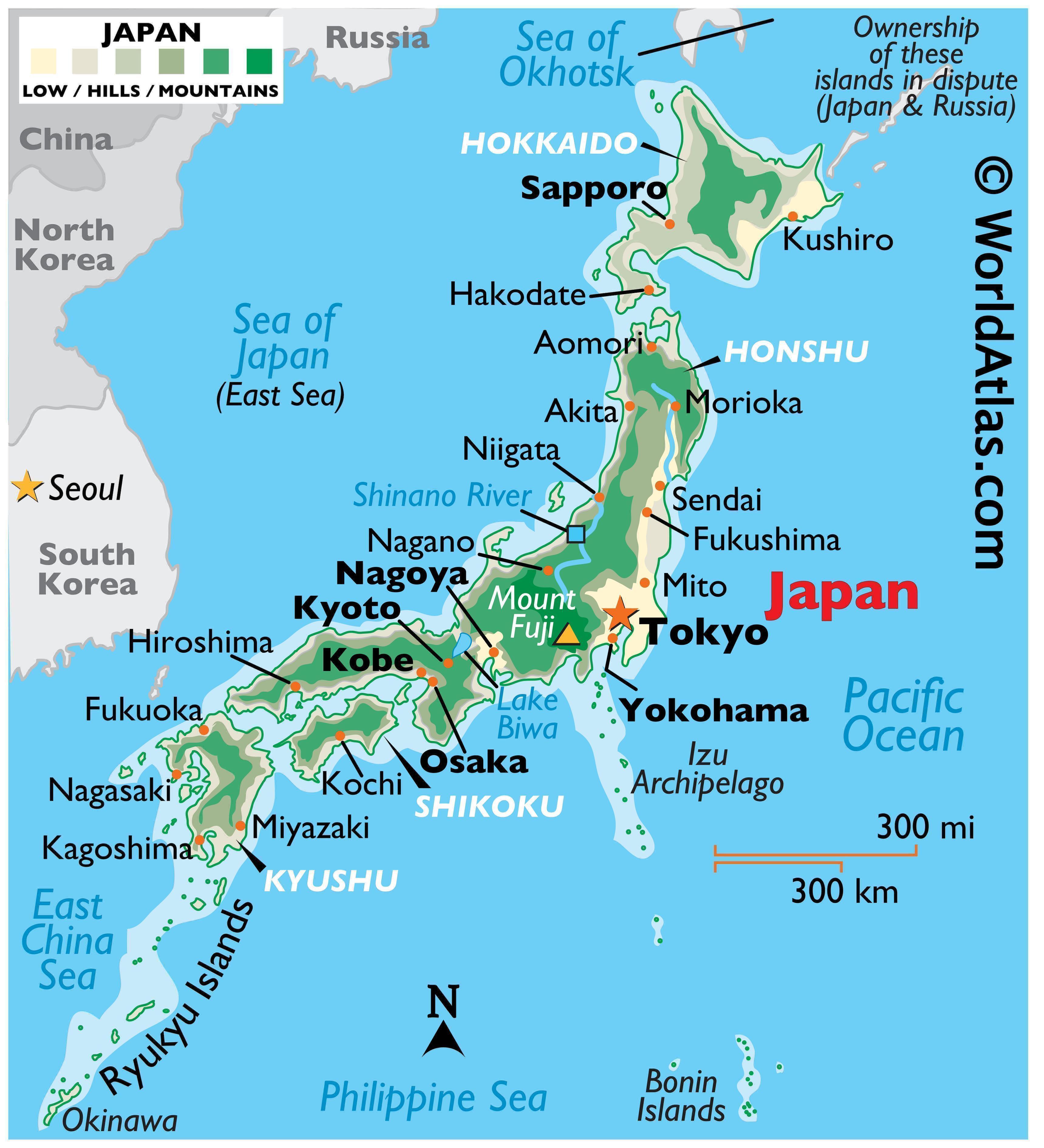
The Ark is on its way to Honshu, the main island of Japan. The travel route is eastward from Florida. There will be a stopover in Germany for a few weeks. The most distant stop will be for three weeks in Japan. The return trip will be the reverse flight back to Germany and finally to Florida.

There are many items on the to do list that include visits to cultural and historic sights but also to ancient gardens, the wilderness around Mt Fuji and other mountain trails along the way. Major cities will include Tokyo and Kyoto. Many important sites will be missed however that leaves room for growth.

Japan has many geological features and meteorological characteristics similar to Florida. It should be interesting to compare and contrast the the two distant sights.

Posts on this topic will begin in October.

Map of Japan from World Atlas

Stony Coral Tissue Loss Disease: Threatening Caribbean Reefs, Wildlife and Ecosystems

This is a follow-up publication on Stony Coral Tissue Loss Disease. It describes the findings in the coral reefs in the Cayman Islands during a week in mid April, 2024. The travel to the island was reasonably easy and the accommodations onboard the live-aboard cruise were good. The conditions of the reef life and tropical fish however was disheartening. We have a big problem.

The featured image was made from a view of the sunset from the port on Grand Cayman island. The sunset may be symbolic of the future diving in the Caribbean. I hope that there is a recovery in the future.

As reported in four previous posts (Death in Paradise), there is a continuance of even greater proportions seen during this trip. I reported on the findings on the reefs around Roatan Island off the coast of Honduras two years ago. The condition of the reefs showed considerable loss of the polyp life because of Stony Coral Tissue Loss Disease (SCTLD). It was quite extensive and showed nearly 70% loss of life. At night the coral showed a significant loss of fluorescence because of the large dead areas of coral polyps. During the day one could see the areas of exposed stony skeleton of the reef.

The reef at multiple sites of the Cayman Islands including Grand, Little and Brack, has been devastated by the disease. The population of the reef fish is also significantly diminished. I did not make a count of the fish or of the areas of dead coral. Because of the extent of the dead coral there was no reasonable way for me to make an accurate comparison. It was very distressing. With the option to make 20 dives I made only 12. There was nothing worthwhile to see. I would estimate more than 80% to 90% loss of polyp life. 

In conversation with other experienced divers on board the ship they said that they saw similar conditions across many of the Caribbean islands from Bonaire to the Mayan coast. Generally, they were unaware of the cause of the polyp depletion but said that it looked the same as in the Caymans. The less experienced divers were unaware of the problem and were happy to be in the warm water (85.5 degrees F). There was still some interesting wildlife but is was very reduced when compared to the concentration I had seen as little as 5 years ago. 

50% of central coral head is dead. All of the surrounding coral is dead.
Coral completely over run by SCTLD.
70% of brain coral is dead. Surrounding coral is lifeless.
nderwaterOther areas typical of the reefs showing the discruction of the polyps.
Lion fish (Invasive)
Caribbean Spiny Lobster (Panulirus argus) It was good to see a lobster but formerly there were dozens.
Mating Flamingo Tongues (Cyphoma gibbosum)
Lettuce Nudibrank (Elysia crispata)
Hawksbill turtle (Eretmochelys imbricata) Critically endangered.
Rough file clam (Ctenoides scaber). Similar to the disco-clam seen in the Palau reefs.

There was still life in the Caribbean but it may be below the 100-foot depth accessible for divers and also for much of the live that requires light. The life forms that were readily apparent were mostly bottom feeding animals. Sponges and soft fans were still alive and did not seem to be affected by the SCTLD.

The effects upon the economy that are a result of reef polyp loss are not readily available, however, many of the recreational hospitality workers are questioning their future employment opportunities. I suspect that there may be some resistance in these businesses to make these issues more public.

There has been some publication of the research into the cause of the disease and it seems that researchers have identified an infection. “Results suggest that the bacterial community may be involved in SCTLD, but other members of the holobiont (i.e., viruses and Symbiodiniaceae) may contribute to lesion progression”.1, 2

Vectors and process of viral action is not yet publicized 3. One should not expect a recommended solution for a cure until much further research will be done. I anticipate that it may take decades and that the reef corals will not survive at the current rate of disease progress. This has a direct impact on the southwest coast of Florida.

If you have observed the effects of SCTLD in other areas of the Caribbean or other places in the world please engage in the SCTLD dialogue in the discussion board.

References: Where 2. and 3. are specifically related to work done in Florida reefs.

1. A meta-analysis of the stony coral tissue loss disease microbiome finds key bacteria in unaffected and lesion tissue in diseased colonies

2. Microbial Community Shifts Associated With the Ongoing Stony Coral Tissue Loss Disease Outbreak on the Florida Reef Tract

3. Viral-Like Particles Are Associated With Endosymbiont Pathology in Florida Corals Affected by Stony Coral Tissue Loss Disease

If you wish to receive notifications of new posts please enter your email and click on subscribe

Please feel free to comment on the content of this posting in the comments section below.

#SCTLD #Stony coral tissue loss disease #coral #turtle #nudibrank # Flamingo tongue #coral polyp #file clam

Bonita Bay Residential Community Pond: Hydrology, Geochemistry, and Microbiology Insights – Part 3

This small body of water is in the Bonita Bay residential community in the city of Bonita Springs, Florida. It has been discussed in the first two parts of this presentation. It was artificially constructed as part of a larger hydraulic system intended to manage the surface water of the four-square mile community property. This submission focuses on the details that are the foundation of the recovery.

The feature image shows an alligator taking a closer look at the pond.

The soil:

The base soil type is Anclote and Immokalee Sand and is consistent with the slough which divides the east and west portions of the property. The pond area was a mesic depression prior to development of the property. 

The water:

The pond is ground water sourced and linked to the surrounding ponds with underground conduits and to the slough by an above ground weir. This design maintains the water distribution level through a gravity driven cascading water flow. 5.5 million gallons of water is recirculated every day through a series of pumps and filters which supports the water level and provides grey water irrigation throughout the property. These pond hydrologic and geographic charts are from the Lee County Land and Water Survey.

Chart of water depth
Point of maximum depth.
Areas of submerged aquatic vegetation
Chart of bottom hardness

The chemistry:

The ponds are regularly sampled for chemistry and the specimens are sent to the State of Florida for analysis. Here are the results for pond #47 from our BBA Water Committee. The last chemical analysis report on this area was 1/23/2021. Note that the total phosphates and ortho phosphates are elevated above the acceptable standards. 

Statement of Pond chemical analysis supplied by Bonita Bay Community Association:

Hydrology, Geology and Biology graphic summary

The microbiology:

A sample of surface pond water in a small area of surface growth these microscopic specemines were found.

Spyrogyra ?
Desmosdesmus maximus & Mesotaenium
Gastrotrichs
Euglenia ? 
Nauplius larva of a cyclops copepod 
Diatom

These microbiological organisms are normal. The most important finding was the absence of unwanted forms such as cane toad eggs, mosquito larvae, or invasive aquatic plants.

Statement of Pond Condition:

When surveyed on 04/10/2021, the water level was at 0.3 m (NAVD’88) for a water volume of 13,670 m3, a planar surface area of 7,130 m2 and a perimeter of 420 m. The mean depth of the pond was 1.9 m for a maximum depth of about 3.5 m in the central portion of this triangular pond. On 06/19/2021, the water was slightly brackish and hard with an adequate pH. The water column was thermally well mixed and the dissolved oxygen was about 6.9 ppm (adequate level) until about 1 m where a steady drop of dissolved oxygen occurred until it reached anoxia near the bottom (i.e., no dissolved oxygen). The sediment accumulation in this pond was moderately thick with 33% organic content. Based on the nutrients analyses, the pond was nutrients rich (eutrophic). The copper concentration was not determined in this pond. Although there are no standards for sucralose concentrations in the water, based on the range of sucralose concentration found at the BBCA ponds studied, pond 47 was found to have moderate levels of sucralose concentration which ties its nutrient loading to the use of reclaimed water. The pond was surrounded by lawns with some rooted vegetation near the edge of the water. Banks were also quite steep. There were some aquatic plants around the periphery of the pond with a higher density in the northeastern littoral zone which likely limited the nutrient loading into this pond.

Recommended Land management plan:

1. Sediment mapping: map the sediment including thickness and nutrient analysis by depth. 2. Dredging: Not currently necessary but depends on sediment map results. 3. Flocculation: Treat to mitigate nutrients in the water column and in the sediment.  4. Circulation: Not currently needed. 5. Aeration: Not currently needed. 6. Planting: Shoreline shows minor erosion. Verify plant recovery in 2025. 7. Shoreline restoration: Not currently needed 8. Restrict lawn fertilization of neighboring grass and ornamental trees. 9. Advocate reduction in lawn size and support native plant gardening.

The pond was significantly refurbished in 2020. The water level was reduced to 25% of filled. The soil was supplemented and recontoured to eliminate a steep drop at the water line that was the result of erosion. All house roof runoff was diverted by mandated gutters and downspouts. The downspouts were directed underground into the pond. The shores were remediated with contouring, installation of a soil retaining mesh and generous planting of aquatic vegetation at the new shoreline. The pond was allowed to refill naturally. Hurricane Ian, which occurred in September 2022, was a very destabilizing climatic event which significantly altered most of the ponds in Bonita Bay Community. Ten feet of sea water inundated lake #47. The height has returned to normal and the chemistry is slowly recovering. The selected soil stabilizing plant life surrounding the pond was thought to be lost but after two years is now slowly regrowing. The next  State reported sampling will be done in 2025. 

Summary:

The pond appears to be recovering well from the hurricane event two years ago. The foundation has been well preserved. I expect that the physiology of the ecosystem will stabilize at the levels near those reported in 2021. Sediment mapping is overdue considering the levels of nitrogen and phosphorus. There may be some improvement in the shoreline vegetative growth. It is remarkable that this totally artificial body of water provides so much to help to support all this diverse wildlife. The related sixty community ponds have responded equally well to similar care. This is an excellent example of cooperative natural growth and human intervention to produce a beautiful eutrophic environment.

If you wish to be notified of new posts enter your email and click on Subscribe.

If you wish to contribute to this subject please use the comment box.

Please feel free to participate in the discussion board. You may engage in a current discussion or start a new topic.

#eutrophic #ecosystem physiology #microbiotics #hydrology #geology #nutrients #nutrient rich #phosphates

Revival of Pond Plants and Ecosystem Post-Hurricane Ian – Part Two

The plants of pond #47 are slowly recovering after hurricane Ian. This is part two of a three part series describing the slow recovery of the artificial pond that was created as part of a community wide system. Be sure to read part one of this series. The ten foot high storm surge from hurricane Ian brought seawater with its salt content and fish and other marine life. Because salt water is heavier than fresh water it sank to the bottom of the pond displacing a substantial portion of the fresh water. The ocean water is toxic to the fresh water species because it dehydrates the cells of salt intolerant plants and animals. This has been recovered by the inflow of fresh ground water and water filtered by community supplier. Now the water has a very low percentage of salt. My refractometric test for salinity tested on 5/1/2024 shows a near normal specific density of 1.002. We will discuss this in the next posting describing pond geochemistry.

The pond is surrounded by grassy lawns which are tended by the gardeners and home owners. At the water’s edge soil retaining mesh and plants have been added to prevent erosion. Most of these plants were thought to have been lost from toxic levels of salt. In the intervening two years they have begun to make a strong come back. They hold the soil, provide shelter for the marine animals and a feeding ground for the wading birds. Look at the previous post to see the birds feeding in grass and reed areas of the pond.

Pond plants

Net casting in pond to capture fish sample. This photo also shows round bright areas where Tilapia fish made nests
Soil retaining mesh submerged can be seen here. This was placed before the storm as part of the pond remediation.

Aquatic plant species used to reduce soil erosion.

Long view of pond looking from southeast to northwest.
Lance leaf Arrowhead, (Sagittaria lancifolia), Native, AKA Duck Potato.
Needle rush (Juncus roemerianus), Native
Horsetail spike rush (Eleocharis equisetoides) Native

Lawn, grass, Live Oak trees with marsh rushes and tubers surround the pond. They stabilize the soil and provide shelter and food as the basis of the ecosystem pyramid. It is only recently that the survivability of this plants was confirmed. Presence of these plants supports the concept of corner stone species. Without these plants the insects would not lay eggs. The fish would not feed on the insect larvae. The birds would not feed on the fish. This is further reflection of the eutrophic quality of the pond system.

Perhaps you have seen similar recoveries. Recall the experiences of the recovery of the Fulda river in Germany. Let’s hear about your experience! If you wish to contribute to the discussion please use the comment box.

The third of the three related postings on this pond will appear soon. It will describe the hydrochemistry and the micro aquatic inhabitants. Be sure to subscribe to follow along.

Also, feel free to use the discussion board to participate in one of the ongoing discussions or to introduce a new topic.

If you wish to be informed of new postings, lease enter your email and click on subscribe.

#Pond recovery #ocean water #Lance leaf Arrowhead #Needle rush #Horsetail spike rush #cornerstone species #

Cooperation of Wildlife and People: Bonita Bay Pond #47’s Ecological Success – Part #1

This is a story of cooperation among people and wildlife in the Bonita Bay community. This description is divided into three postings including the macro biology, micro biology and geochemistry. Pond #47 is in my backyard. The freshwater pond was inundated by sea water to a depth of 10.3 feet above MSL. The flood was a climatic challenge to the entire four square mile community property including all 64 retention ponds. The good news is that recovery is well on the way to near normal conditions.

This first of three postings shows the macro biologic content of the pond. This small body of water is in the Bonita Bay residential community in the city of Bonita Springs, Florida. It was artificially constructed nearly 40 years ago as part of a larger hydraulic system intended to manage the surface water of the community property. The property is bounded by Spring Creek to the north, Imperial River to the south, Bonita Bay to the west and highway 41 to the east. There are five animal phyla represented here and they are all thriving. There are also four plant phyla.

The featured picture is one of hundreds of halloween pennant dragonflies that were so full of beautiful color. I had to share it with all of you.

Fish:

Net casting was done to collect fish samples and to check the varieties. It shows the net hitting the water, the clarity and depth, and the light-colored ring patterns in the water are spawning nests created by resident tilapia in the sandy bottom. Other techniques included fly casting and spin casting with artificial bait. Six fish species were caught from the Anchorage Pond #47. They included Mayan Cichlid, Blue Gill, Tilapia, Largemouth Bass, and Snook. Numerous minnows were seen but not caught. Neighbors who regularly fish the pond suggest that there are more Tilapia and fewer Snook since the Ian hurricane. 

Blue gill on top, Tilapia (?) on bottom
Tilapia or Gulf Killfish (Non-Native)
Mayan Cichlid (Mayaheros urophthalmus) (invasive)
Snook (Centropomus undecimalis) (Non-native)

Reptiles:

Alligators and turtles live easily in the pond. The alligator population is variable and although it usually has one. During mating season there were at least two. The turtle population is greater than the alligators and from observation there are always at least four swimming near the surface. During the day these reptiles and crawl out of the ponds to lie on the banks.

Soft shell turtle  (Apalone ferox)
Mating alligators
We’re done.

Marine Crustaceans:

One marine crustacean type was found. Three Blue crabs were found in the water along the shore. These were probably brought in by the hurricane.

Blue crab (female), (Callinectes sapidus)

Birds:

The number and species of wading birds is highly dependent upon season and weather. The birds may select those areas of the shoreline which are favorable to their food and which may be protected from predators by alligators. Here are some of the birds in the shore line vegetation hunting and eating with the alligator in their midst. The osprey was standing quietly watching from the close by tree. These birds were seen in March/April. The birds included Great Blue Herron, white and tricolored Herron, Ibis, ducks, Wood Stories, Anhinga, and Osprey.

Blue Herron
Anhinga caught a Mayan Cyclid
Great White Herron caught a minnow
Stork and Herron ignoring one another
Tricolor Herron searching for fish
Ibis in group of about twenty
American Osprey (Pandion haliaetus) waiting in tree

Insects:

The most obvious insect which could be attributed to the pond were standing or feeding on the pound shore line. The dragonflies observed were exclusively the Halloween Pennants and were in the hundreds. The White Peacock butterflies were flying about in small groups or pairs just on shore near the grass.

Halloween Pennant Dragonfly, (Celithemis eponina)
White Peacock butterfly (Anartia jatrophae)

The diversity of the wild life supports the eutrophic designation of the pond. Further examples of this follow in the next two presentations. They include the plants and the microflora with geochemistry. Be sure to see them too!

This story is similar to the previous posting on a river restoration project found in Fulda, Germany.

If you wish to receive notifications please enter your email and click on subscribe.

To participate in discussion use the comments block.

See the discussion board to engage with like minded naturalists and photographers or to open a new topic to share your thoughts. https://evergladesark.com/2024/04/25/discussion-board/

#Pond #Recovery #fish #insects #crustaceans # dragonfly # butterfly # turtle # Herron # Mayan Cichlid #Snook # Blue gill #bass #Osprey #White Peacock #alligator

Powered by WordPress.com.

Up ↑